What the Zimbabwe National AI Strategy Means for NGOs, Corporates, and Government
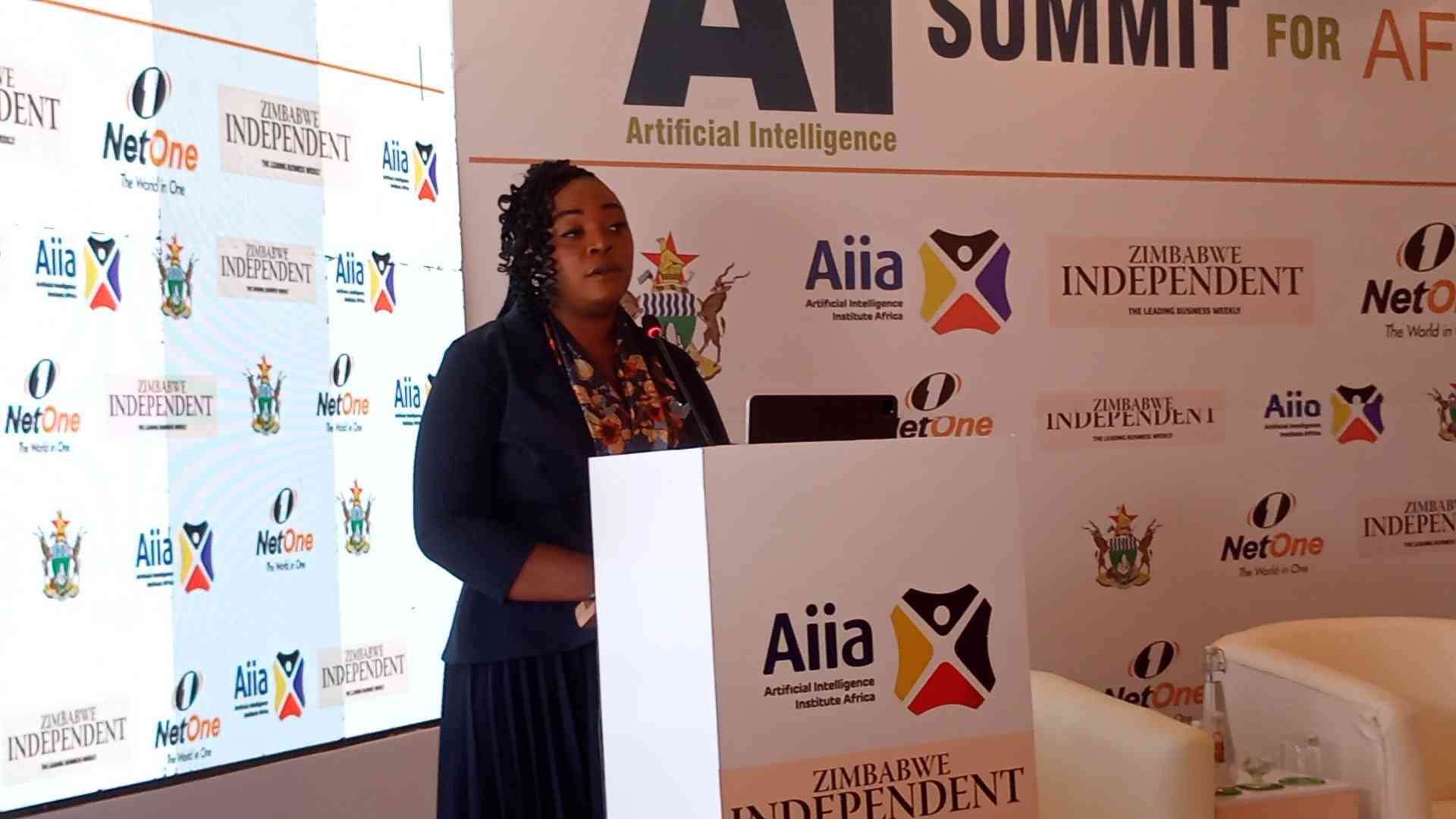
The Zimbabwe National AI Strategy (2026–2030) isn't just a technology document. It's a mandate for transformation across every sector of the economy. From NGOs managing aid programmes to corporates competing in regional markets to government ministries delivering citizen services — AI is no longer optional. It's national policy.
The Strategic Vision
Under the leadership of the Ministry of ICT, Postal and Courier Services, Zimbabwe has positioned AI as a catalyst for achieving Vision 2030 — the national development framework aimed at making Zimbabwe an upper-middle-income economy. The strategy recognizes that AI can: - Increase agricultural productivity by 25-40% through precision farming - Reduce healthcare costs through AI diagnostics and telemedicine - Improve government service delivery through automation - Create new industries and thousands of high-value jobs - Position Zimbabwe as a regional tech hub in Southern Africa
What This Means for NGOs
Zimbabwe's NGO sector is one of the largest in Africa relative to GDP. The AI strategy creates both opportunities and obligations: Opportunities: - Data-driven impact measurement — AI can analyse programme data to prove impact more rigorously - Beneficiary identification — Machine learning models can identify vulnerable populations more accurately - Resource optimization — AI can optimize supply chains for aid delivery - Predictive analytics — Anticipate crises before they escalate - Automated reporting — AI-generated reports from field data, saving hundreds of staff hours Obligations: - NGOs will need to demonstrate digital capacity in grant proposals - Donor organizations are increasingly requiring data-driven approaches - Cybersecurity and data protection become regulatory requirements under the Data Protection Act - Digital transformation readiness will differentiate NGOs in competitive funding landscapes
What This Means for Corporates
For Zimbabwe's corporate sector — banking, mining, manufacturing, retail, telecoms — the AI strategy signals a seismic shift: Immediate impacts: - Regulatory compliance — Companies will need to demonstrate responsible AI use - Competitive pressure — Early adopters will gain significant market advantages - Talent demands — Corporates will need AI-literate staff across all departments - Digital infrastructure — Websites, customer portals, and digital systems become competitive necessities Strategic opportunities: - First-mover advantage in AI adoption within your industry - Government incentives for AI investment and innovation - Partnership opportunities with universities and research institutions - Access to the growing pool of Zimbabwe-trained AI talent - Regional expansion powered by AI-enhanced operations
What This Means for Government
Government ministries and parastatals face perhaps the most significant transformation: - E-governance acceleration — AI-powered citizen services, from permit applications to tax filing - Smart city initiatives — Traffic management, waste collection, and utility optimization in Harare and Bulawayo - Digital identity systems — AI-enhanced identity verification and fraud prevention - Education transformation — AI-personalized learning platforms for schools and universities - Healthcare delivery — AI diagnostics in rural clinics, patient record management, and epidemic prediction The strategy explicitly calls for government to lead by example in AI adoption. This means procurement processes will increasingly favour digitally-capable service providers.
The Digital Infrastructure Requirement
None of this works without strong digital foundations. Before AI can transform operations, organizations need: 1. Modern websites and digital platforms — The user interface for all digital transformation 2. Data management systems — Clean, structured data is the fuel for AI 3. Cybersecurity frameworks — Protecting data and systems from breaches 4. Cloud infrastructure — Scalable, reliable hosting for digital services 5. Digital-literate teams — Staff who can work with AI tools effectively This is where most Zimbabwe organizations are behind. You can't bolt AI onto a 2018 website running on shared hosting. You need a modern digital foundation first.
Practical Steps for Every Sector
Regardless of whether you're an NGO, corporate, or government entity, here are the steps to take now: 1. Conduct a digital readiness audit — Assess your current digital infrastructure honestly 2. Rebuild your web presence — A modern, fast, secure website is step one of digital transformation 3. Invest in data systems — Start collecting and organizing data properly 4. Train your team — Digital skills workshops for all staff, not just IT 5. Develop an AI roadmap — Identify which processes can be enhanced with AI in 6, 12, and 24 months 6. Partner with experts — Work with agencies that understand both technology and the Zimbabwe context
How KuWeX Studios Supports the AI Strategy
We build the digital foundations that AI requires. Our work with NGOs, corporates, and government-aligned organizations includes: - High-performance websites built on cutting-edge technology (Next.js, React) - SEO and digital visibility so stakeholders and beneficiaries can find you - Data-driven design that prepares your digital infrastructure for AI integration - Cybersecurity-conscious development aligned with Zimbabwe's Data Protection Act - Training and support for your team's digital capabilities The Zimbabwe National AI Strategy is a call to action. The organizations that respond first will shape Zimbabwe's digital future. Contact KuWeX Studios at +263 719 066 891 to start building your digital foundation today.
Related Articles

Zimbabwe Is Entering the AI Economy: Will Your Business Lead or Be Left Behind?
April 14, 2026
The Rise of Smart Zimbabwe: Preparing Businesses for a Digital Economy
March 16, 2026
Digital Skills Are Becoming National Power: Why Your Team Must Upskill Now
April 2, 2026Grow Your Business Online
Get a free consultation with KuWeX Studios. We help Zimbabwe businesses succeed online with web design, SEO, and digital marketing.